Are Used Golf Carts Worth Buying
A used golf cart is worth buying when the battery and frame are sound, which matters more than the price on the sticker.
It depends on what's under the seat, not the odometer
Used golf carts are generally worth buying. They hold up well, parts are easy to find, and a cart that's been cared for can run for many years after its first owner is done with it. The catch is that the two things that cost the most to fix, the batteries and the motor, are also the hardest to judge just by looking.
What makes a used cart a good deal or a bad one isn't the brand or how it looks. It's whether the battery pack still holds a charge, whether the frame has rust or damage underneath, and whether the seller can show you some kind of title or bill of sale. A cart that's a few years old with fresh batteries can be worth more than a newer one that's been sitting outside and needs a full battery replacement.

The batteries decide the real price
On an electric cart, the battery pack is often the single most expensive part to replace, and it wears out whether the cart is used a lot or just sits. If the batteries are old or the seller can't tell you when they were last replaced, ask to see the cart running under load, not just sitting idle with the key turned.
A cart with weak batteries will still start and move slowly in a driveway test, which is why a short demo isn't enough. Ask to drive it up an incline or with another person's weight added, since that's when a failing pack shows itself.
If you're told the batteries are new, ask for a date or a receipt. Replacing a full set later changes the math on whether the cart was actually a good price.
What people get wrong about title and registration
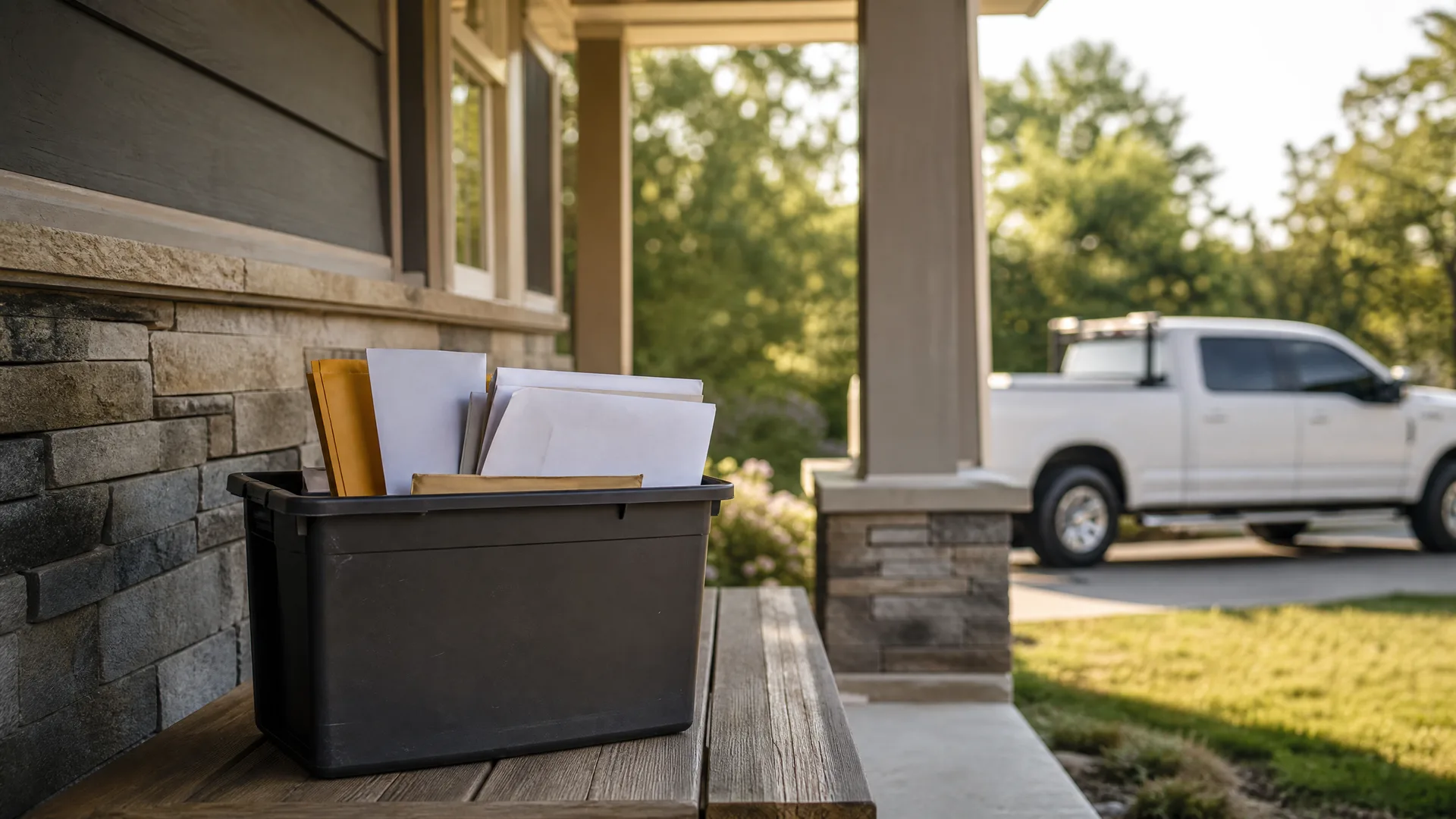
Buyers often assume a golf cart is like a lawnmower, something you buy and use without paperwork. Whether that's true depends entirely on where you live and whether you plan to drive it on any public road, even a short stretch near a neighborhood or a beach town.
Some states and cities require registration, insurance, or a slow-moving vehicle designation for carts driven anywhere outside private property. Others don't regulate it at all if it stays off public roads. Check with your state's motor vehicle agency or local municipality before you buy, especially if the seller can't produce any title or paperwork at all.
A cart with no title isn't necessarily a scam, since many were never titled in the first place. But it does mean you should ask directly how the seller came to own it and get that answer in writing if you're paying a meaningful amount.
Questions people ask about this
How long do golf cart batteries usually last before they need replacing?
It depends on the battery type and how the cart was charged and stored, so there's no single answer that holds for every cart. Lead acid batteries typically wear down faster than lithium ones, and a pack that was regularly run all the way down tends to fail sooner than one that was charged after light use. Ask the seller how the cart was stored and charged, since that history matters more than its age alone.
Can I insure a used golf cart the same way I insure a car?
Golf carts are usually insured differently from cars, often through a separate policy or an endorsement added to a homeowners or auto policy. Whether your insurer offers this and what it covers varies by company, so it's worth asking your agent directly what a used cart would need. Some insurers also ask for the cart's age, condition, and whether it's driven on public roads before they'll quote it.
Is it better to buy a used gas cart or a used electric cart?
Neither is clearly better, since each comes with different things to check before buying. A used gas cart depends more on engine condition and whether it's been serviced regularly, while an electric cart depends more on battery health and charging history. If you're comparing both, ask each seller for whatever maintenance records exist rather than judging by fuel type alone.
What should I check on a used golf cart before I agree to buy it?
Start with the battery pack, the frame underneath for rust or cracks, and the tires for uneven wear that might point to an alignment problem. Ask to drive it for more than a few minutes, ideally with some weight or incline involved, since short flat tests can hide a weak motor or battery. Also ask whether it's ever been in standing water or stored outside through winters, since that affects the electrical system more than age does.
Will a used golf cart affect my home or auto insurance rates?
It depends on your insurer and how the cart is covered, whether through an endorsement, a separate policy, or not at all. Some companies treat a golf cart as a minor addition with little effect on your rate, while others may ask more questions if it's driven on public roads. The only way to know for sure is to ask your own insurer how they'd handle the specific cart you're considering.
If you're adding a used cart to your coverage, it's worth seeing what a few insurers would charge for it.
Before you buy, ask the seller for any paperwork they have, even an old registration or a receipt for batteries, and get their phone number in case questions come up later. Test drive the cart under real conditions, not just a short flat stretch, so you can hear and feel how the motor and batteries perform under load. Check with your state or local agency about whether the cart needs to be titled or registered for how you plan to use it. If you're financing or insuring it, call your agent before you hand over money, since some policies price the cart differently depending on its age and how it will be driven.