Golf Cart Insurance for Seniors in Virginia
A golf cart policy in Virginia is priced mostly on how and where you drive it, not on your age.
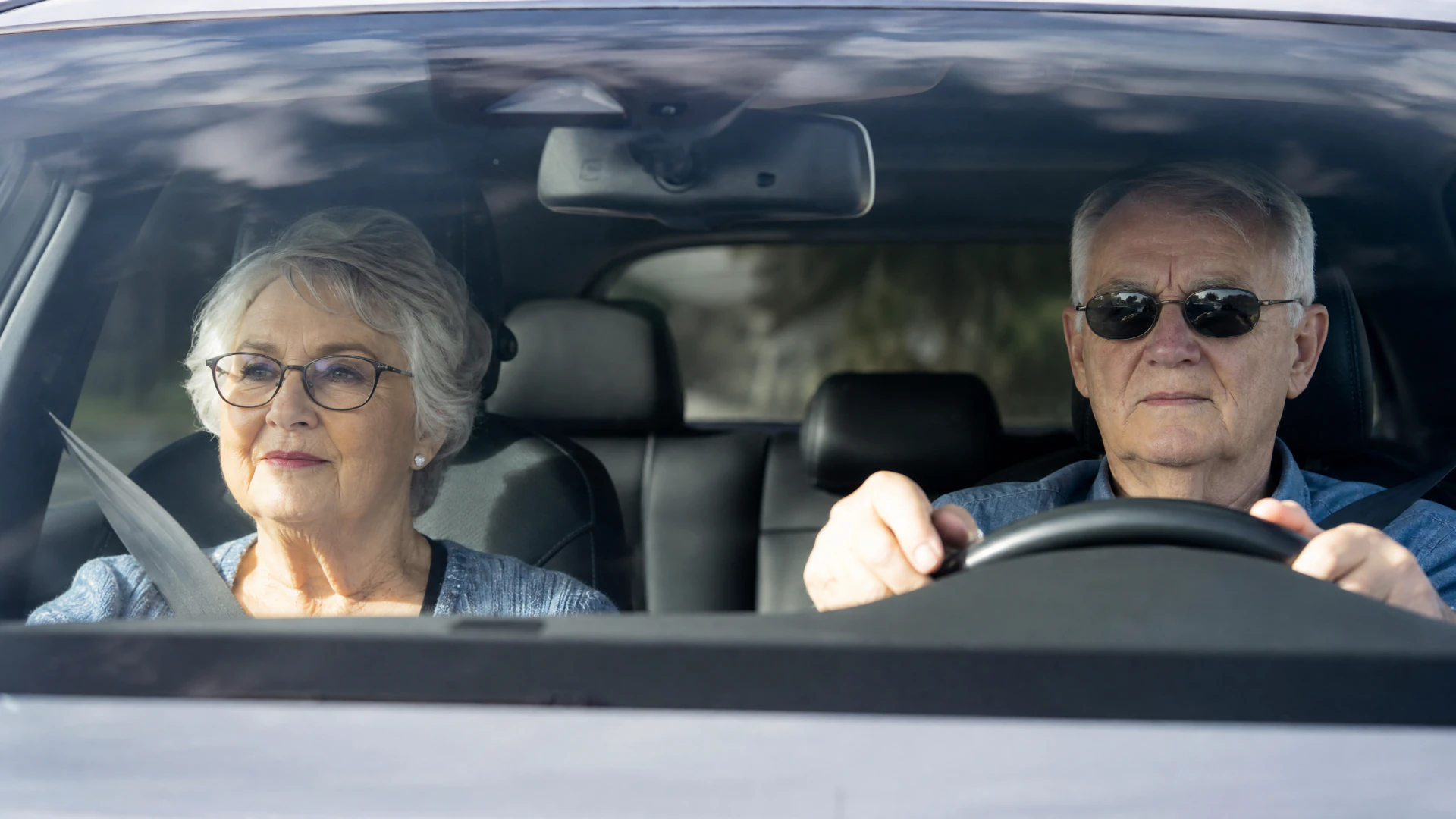
Yes, seniors can get golf cart insurance in Virginia, and age isn't the deciding factor
Golf carts and low speed vehicles can be insured in Virginia, and being a senior doesn't block that or typically raise the cost. Insurers look at how the cart is used, where it's driven, and what coverage you're asking for, the same way they would for a driver of any age.
What matters more is whether you're driving on public roads, inside a gated community, or only on private property. Virginia treats golf carts and low speed vehicles differently depending on that distinction, and your insurer will ask about it before quoting anything.
Where you drive the cart decides what coverage you need
If you only drive the cart on your own property or within a private community, you may not need the same coverage as someone crossing public streets to get to a golf course or store. Virginia has specific rules about which golf carts can legally operate on public roads, and those rules usually depend on the cart's speed capability and equipment, not the driver's age.
A low speed vehicle, which is built to go faster than a standard golf cart, is treated more like a car under Virginia law and generally needs to be registered, titled, and insured similarly to one. A standard golf cart that stays off public roads often doesn't carry that same requirement.
Check with your local DMV office about how your specific cart is classified before you assume you need, or don't need, a policy. The classification changes what your insurer will ask for and what the policy actually covers.
If you do drive on public roads, even occasionally, tell your insurer that upfront. A policy written for private-property use won't necessarily cover an accident that happens on a public street.
Your homeowners or community policy might already cover some of this
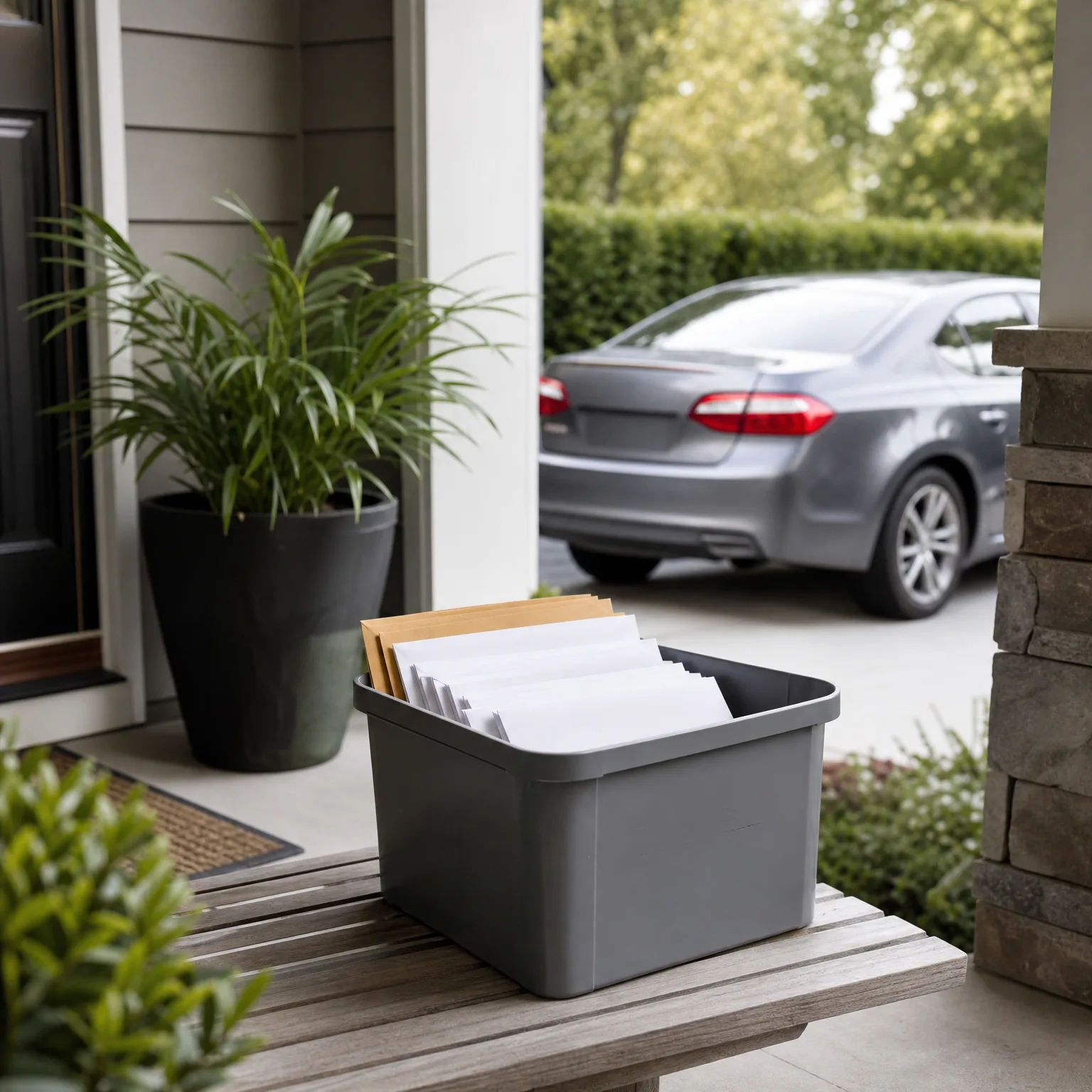
Some retirees assume their golf cart is automatically covered under their homeowners policy or through their community association's insurance. That's sometimes true for liability if someone is hurt on your property, but it usually doesn't cover damage to the cart itself or an accident that happens while you're driving it somewhere else.
Ask your homeowners insurer directly what their policy does and doesn't cover for a golf cart. Get the answer in writing or in an email, not just a verbal yes, since this is exactly the kind of gap that shows up after an accident rather than before one.
If you live in a retirement community or age-restricted neighborhood where golf carts are common, ask whether the community carries any liability coverage of its own and how it interacts with your personal policy. Some communities require residents to carry their own coverage specifically because the community policy doesn't extend to individual carts.
Questions people ask about this
Do I need a special license to drive a golf cart in Virginia?
In most cases a regular driver's license is enough to operate a golf cart on roads where it's permitted, since Virginia doesn't require a separate license class for them. Some localities set their own rules about where golf carts can be driven and may require a permit for road use. Check with your city or county, since this varies by locality rather than being set uniformly across the state.
Will my golf cart insurance go up if I have a medical condition?
A medical condition itself isn't something a golf cart insurer typically asks about, since golf cart policies are usually priced on the vehicle and how it's used rather than on a health questionnaire. If your ability to drive at all becomes a licensing question, that's handled separately by the DMV, not by your insurer. Ask your agent directly what information they collect for a golf cart policy if you're unsure.
Can I add golf cart coverage to my existing auto insurance policy?
Many insurers can add a golf cart as a separate line on an existing auto policy, though some require a standalone policy instead. This depends on the insurer, so ask yours specifically whether they offer it as an endorsement or only as its own policy. The answer affects both the paperwork and sometimes the price, so it's worth asking before you assume either way.
What happens if someone else drives my golf cart and gets in an accident?
Whether you're covered depends on your policy's language about who is allowed to drive the cart, which varies by insurer. Some policies cover anyone driving with your permission, while others name specific drivers only. Ask your insurer directly whether permissive use is included, especially if grandchildren or visitors sometimes drive the cart.
Is golf cart insurance required in Virginia retirement communities?
Whether insurance is required depends on the community's own rules, not a statewide law specific to golf carts in retirement communities. Some communities require proof of insurance before allowing a cart on their roads or paths. Check your community's governing documents or ask the HOA directly what they require.
See what a few Virginia insurers would actually charge to cover your golf cart before you decide what coverage to carry.
Find out this week how your specific golf cart is classified by checking with your local DMV office, since that determines what kind of coverage, if any, is required. Call your homeowners insurer and ask in plain terms what their policy covers if the cart is damaged or if you cause an accident while driving it. If you live in a community with shared roads or paths, ask the HOA whether they require individual coverage and what their own policy covers. Have the cart's make, model, and top speed on hand when you call an insurer, since that's usually the first thing they'll ask. Once you know how it's classified and what's already covered, you'll have a clearer sense of what kind of policy, if any, you still need.