How to Maintain a Golf Cart
A golf cart lasts longest when the battery, tires, and brakes get checked on a regular schedule, not just when something stops working.
Keep the battery charged and the tires at the right pressure
Most of what shortens a golf cart's life traces back to the battery. Letting it sit low on charge, or charging it unevenly across cells, wears it out faster than regular use does. The other common cause is tires run at the wrong pressure, which strains the motor and wears the tread unevenly.
Beyond that, a golf cart holds up well with the same basic care as any small vehicle. Clean terminals, correct fluid levels if it has a combustion engine, and brakes that get looked at before they start grinding. None of this is complicated, but it has to happen on a schedule rather than when something already feels wrong.
Whether it's electric or gas changes what you're maintaining
An electric cart lives and dies by its batteries. Charge it after every use, even a short one, rather than waiting until it's nearly empty. Letting the charge run low repeatedly is the single fastest way to shorten battery life. Check the water level in lead acid batteries regularly and top it off with distilled water, never tap water.
A gas cart has more in common with a car. It needs oil changes, air filter checks, and spark plug replacement on the schedule the manufacturer sets. Fuel left sitting over winter can gum up the carburetor, so either run the tank dry or add a stabilizer before storing it.
Either type needs its tires checked for pressure and wear, and its brakes checked for play in the pedal. A cart that sits unused for long stretches, which many do, needs the battery disconnected or maintained with a trickle charger so it doesn't drain to the point of damage.
If you're not sure which maintenance schedule applies to your cart, the owner's manual or the manufacturer's website will have it listed by model.
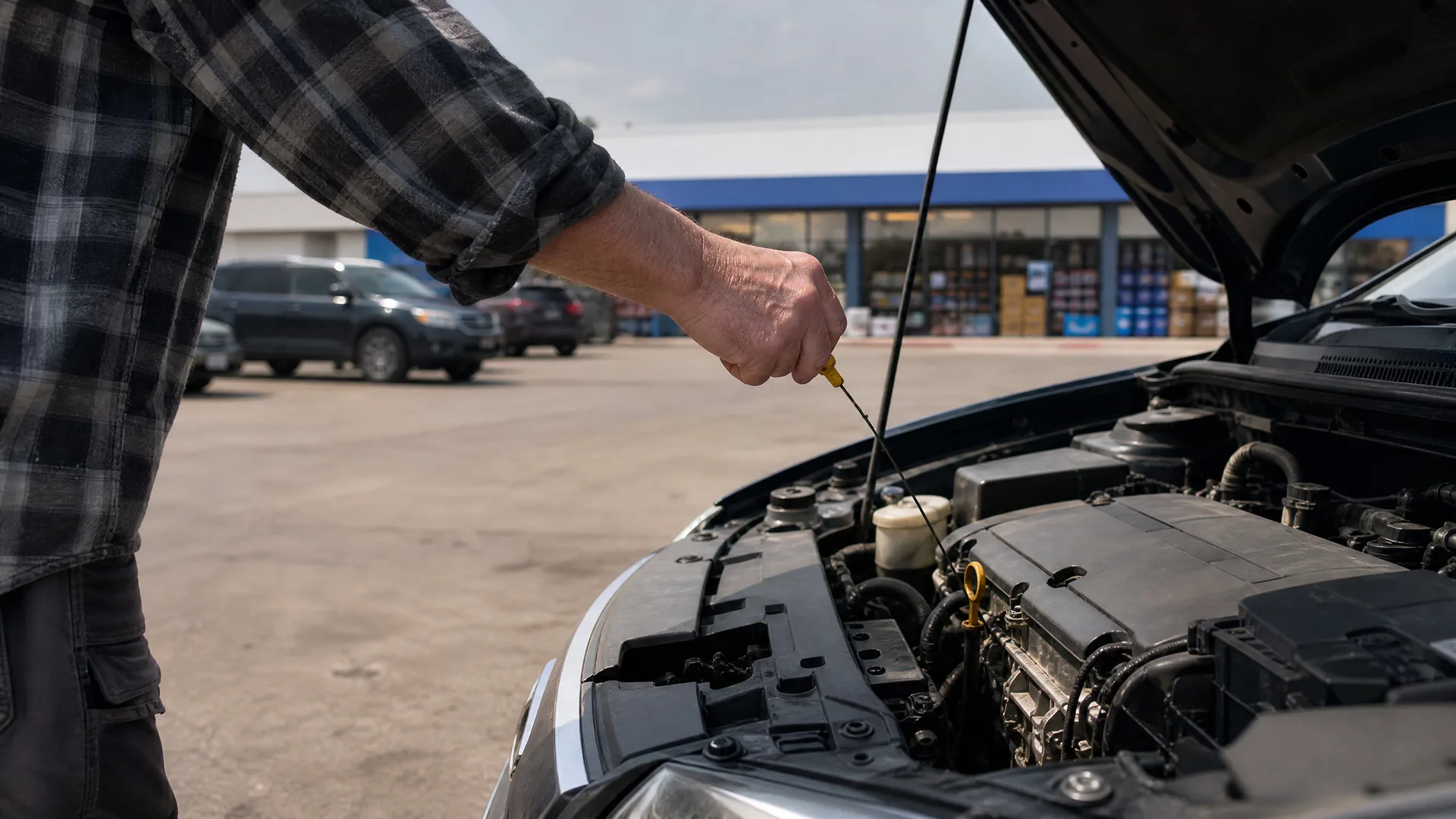
How and where you store it matters as much as how you use it
A cart left outside, uncovered, in sun and rain wears out faster than one kept under a roof. UV exposure cracks seats and dashboards, and moisture gets into electrical connections and causes corrosion. A simple cover or a carport adds years to the body and the wiring.
Temperature matters too, especially for batteries. Extreme heat speeds up water loss in lead acid batteries, and extreme cold reduces how much charge they can hold. If the cart sits in a garage or shed, that alone helps.
Many people treat a golf cart as something to check on only when it won't start. The owners who get the most years out of one instead do a short walk around every month or two, checking tire pressure, battery terminals, and brake feel, even when nothing seems wrong. Small problems caught early are cheap. The same problems caught late often mean replacing the battery pack or the motor.
Questions people ask about this
How often should I charge a golf cart battery?
Charge it after every use, not just when it gets low. Letting a lead acid battery sit partially discharged for long periods is one of the main reasons it fails early. If the cart won't be used for a while, keep it on a trickle charger or maintainer rather than leaving it unplugged.
Why is my golf cart losing power going uphill?
This usually points to a battery that's aging or not holding a full charge, since hills demand more current than flat ground. It can also mean the batteries need watering, or that one cell in the pack has weakened and is dragging down the others. A golf cart repair shop can test each battery individually to find out which it is.
Can I leave my golf cart plugged in all the time?
Most modern chargers are designed to stop or trickle down once the battery is full, so leaving it plugged in between uses is generally fine and often recommended. Check your charger's manual to confirm it has this automatic shutoff feature, since older or simpler chargers may not.
How long do golf cart batteries usually last?
This depends heavily on how well they're maintained, including charging habits, water levels, and storage temperature, so it varies a lot between carts of the same age. A battery that's kept charged regularly and watered properly will outlast one that's frequently run low or left sitting.
Does a golf cart need insurance like a car does?
Whether a golf cart needs insurance, and what kind, depends on your state and whether you drive it on public roads. Some states require registration and insurance for street legal carts, while others don't regulate carts used only on private property. Check with your state's motor vehicle agency to find out what applies where you live.
If your golf cart is street legal, it's worth seeing what coverage would cost before you renew anything.
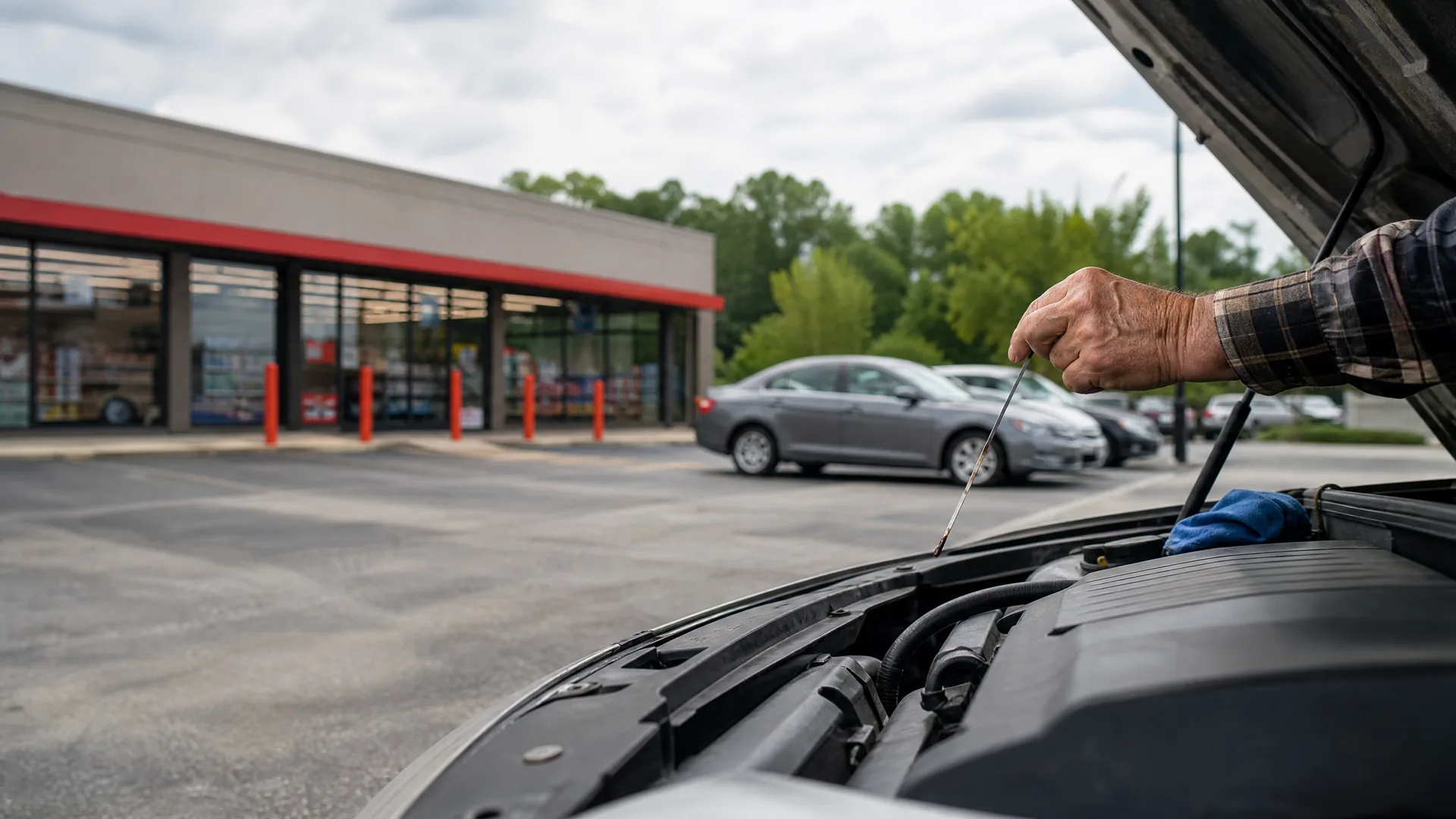
Pull out your owner's manual this week and check the maintenance schedule it lists for your specific model, since gas and electric carts differ and even models within each type can vary. Look at your battery terminals for corrosion and check tire pressure against the number printed on the sidewall. If you don't have the manual anymore, the manufacturer's website almost always has it available by model and year. If the cart is driven on public roads where you live, call your state's motor vehicle agency or your insurance agent to ask what registration or insurance it requires, since this is set at the state level and varies.