Who Is Responsible if a Cart Hits Your Car
If a cart rolled into your car on store property, the store or its insurer is usually the one to file against, not your own policy.
The store's liability coverage is usually the first place to look
A shopping cart that rolls away on its own and hits a parked car is typically treated as a property issue for the store, not a traffic accident. Stores carry general liability insurance for exactly this kind of thing, whether it's a cart, a falling sign, or a cracked parking lot that damages a car.
That said, the store will only pay if there's a reasonable case that they were careless, say, carts left loose on a slope, a broken corral, or no one collecting them during a windy day. If another shopper pushed the cart into your car, it may come down to that person's liability coverage instead. Either way, your own insurer is rarely the first call unless you decide to use your own policy and let your insurer pursue the store afterward.
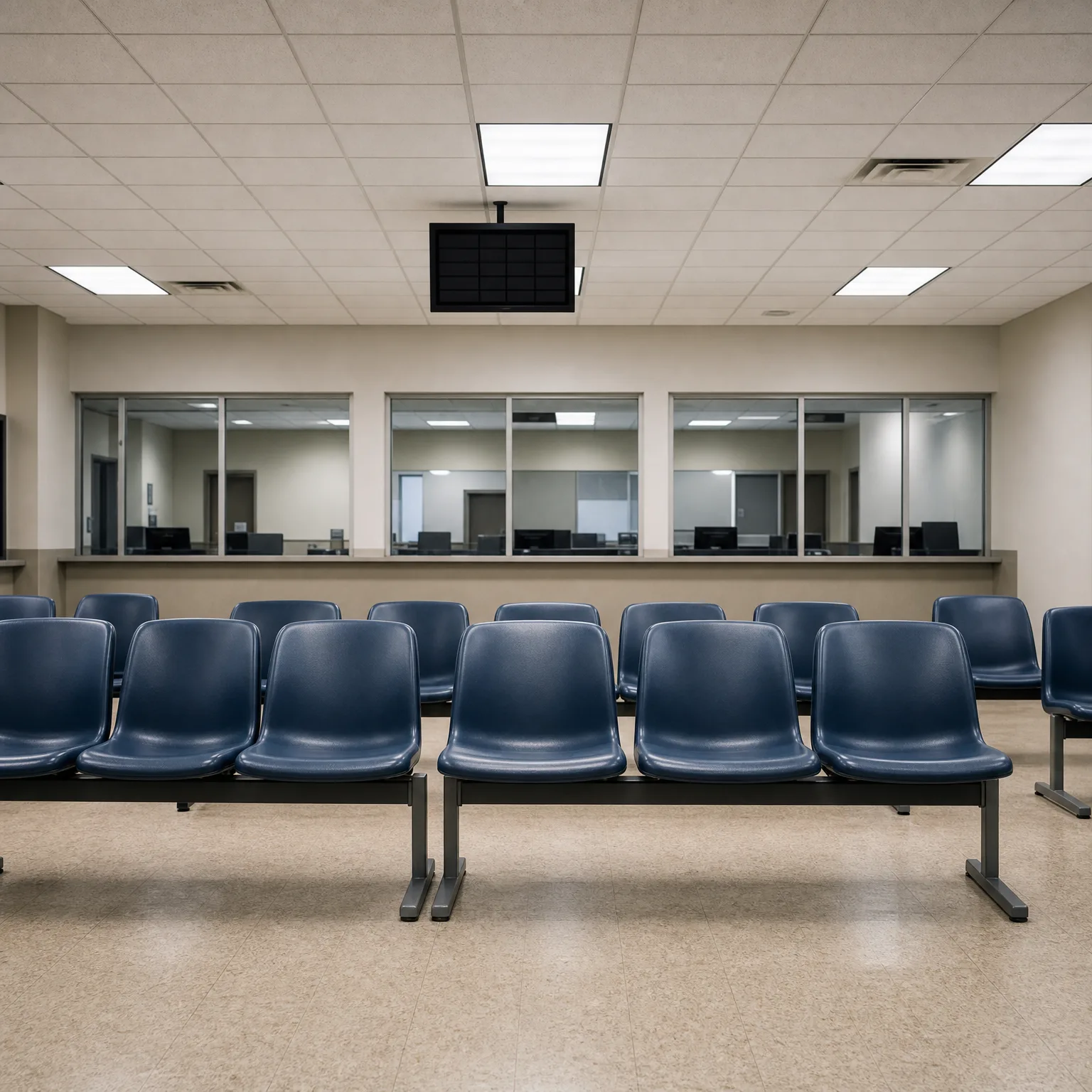
Whether anyone saw it happen changes everything
If a cart hit your car with no witnesses and no idea who left it there, you're often left without a clear party to hold responsible. Stores will usually ask for a description of how it happened, and if there's no video and no witness, they may decline to accept blame.
Check whether the store has security cameras covering the parking lot. Many do, and asking them to pull footage before it's overwritten is worth doing the same day, not a week later. If a witness saw the cart roll or saw another customer let go of it, get their name and number before they leave the lot.
If there's truly no way to pin down fault, this becomes a case for your own collision coverage, if you carry it. That's a decision about whether the repair cost is worth a claim against your own policy, which is a separate question from who was at fault.
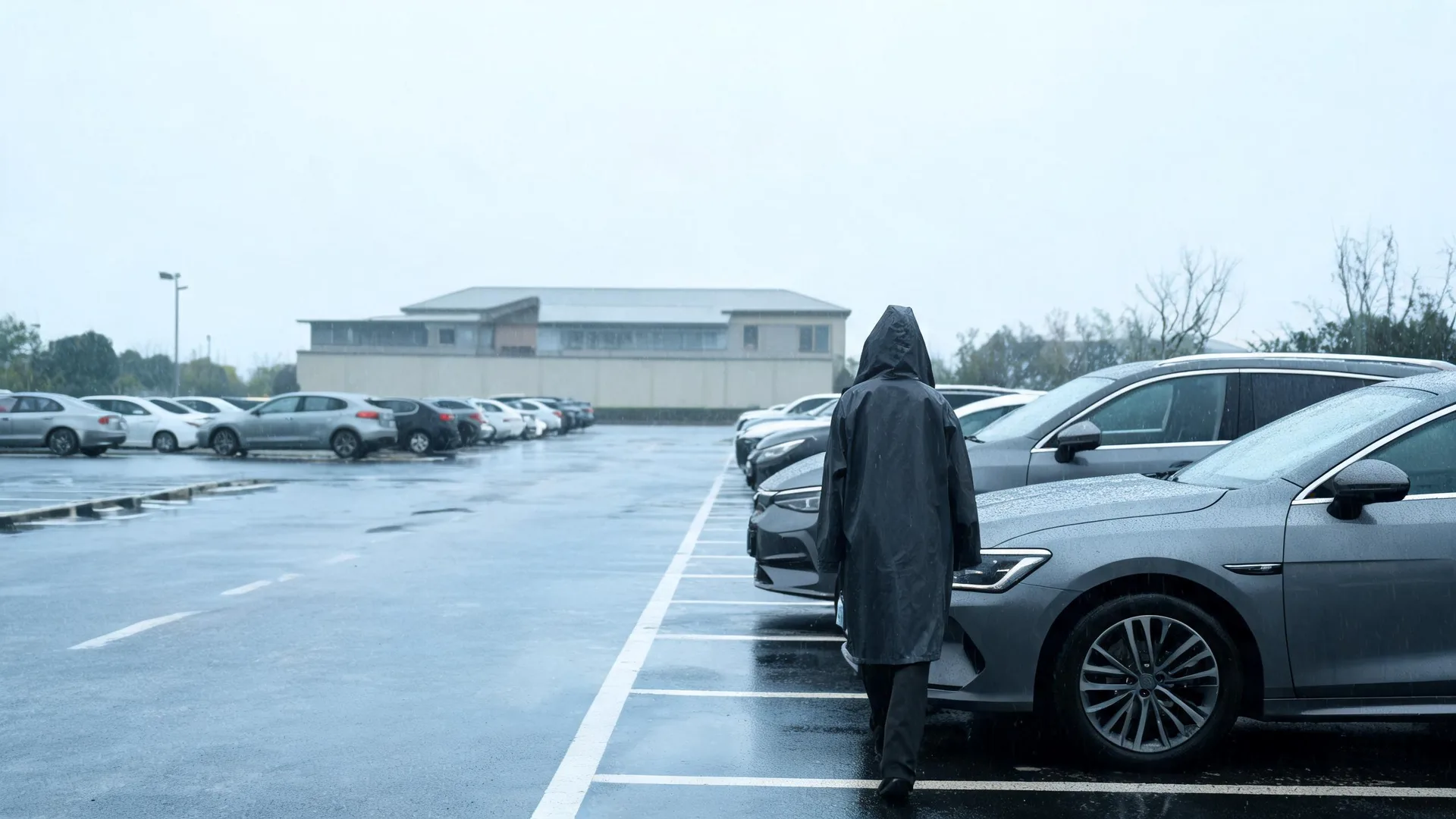
What people get wrong about reporting it
Many drivers assume a cart dent is too small to bother reporting, then later find the store needs a report filed close to the time it happened, not weeks after. Take photos of the damage, the cart, and where it was sitting before you move anything.
Ask to speak with the store manager directly rather than just mentioning it to a cashier. Get a written incident report if the store offers one, and get the name of whoever you spoke with. Stores are not always required to accept liability on the spot, so don't expect an answer that day.
If the store denies responsibility or stops responding, that's when having your own documentation matters most. A clear written record from the day of the incident carries more weight than a recollection made later, whether you end up dealing with the store's insurer or your own.
Questions people ask about this
Does my car insurance go up if I file a claim for cart damage?
If you file through your own collision coverage, it's treated like any other claim and could affect your renewal, depending on your insurer's rules. Filing against the store's liability insurance instead doesn't touch your own policy or your claims history, which is why many drivers try that route first.
What if the store says it's not their responsibility?
A store can decline responsibility, especially without footage or a witness, and you don't have to accept that as the final word. You can ask for the denial in writing, which is useful if you later decide to pursue it through small claims court or your own insurer.
Can I use small claims court for a shopping cart dent?
Small claims court is an option when a store denies a claim you believe is legitimate, since it's designed for disputes over damage amounts that don't need a lawyer. Whether it's worth your time depends on the repair cost and how strong your documentation is.
Does it matter if the cart had no brake or wheel lock?
A cart corral without working brakes or a store that doesn't collect carts regularly can support an argument that the store didn't maintain safe conditions. That's the kind of detail an insurance adjuster or a small claims judge would want described specifically, not just mentioned in passing.
Should I get an estimate before contacting the store?
Getting a repair estimate early gives you a real number to reference when you talk to the store or an insurer, rather than guessing. It also creates a dated record that lines up with when the damage happened, which helps if there's any question later about whether the damage is related to this incident.
Before this turns into a claim on your own policy, see what other coverage options would look like for you.
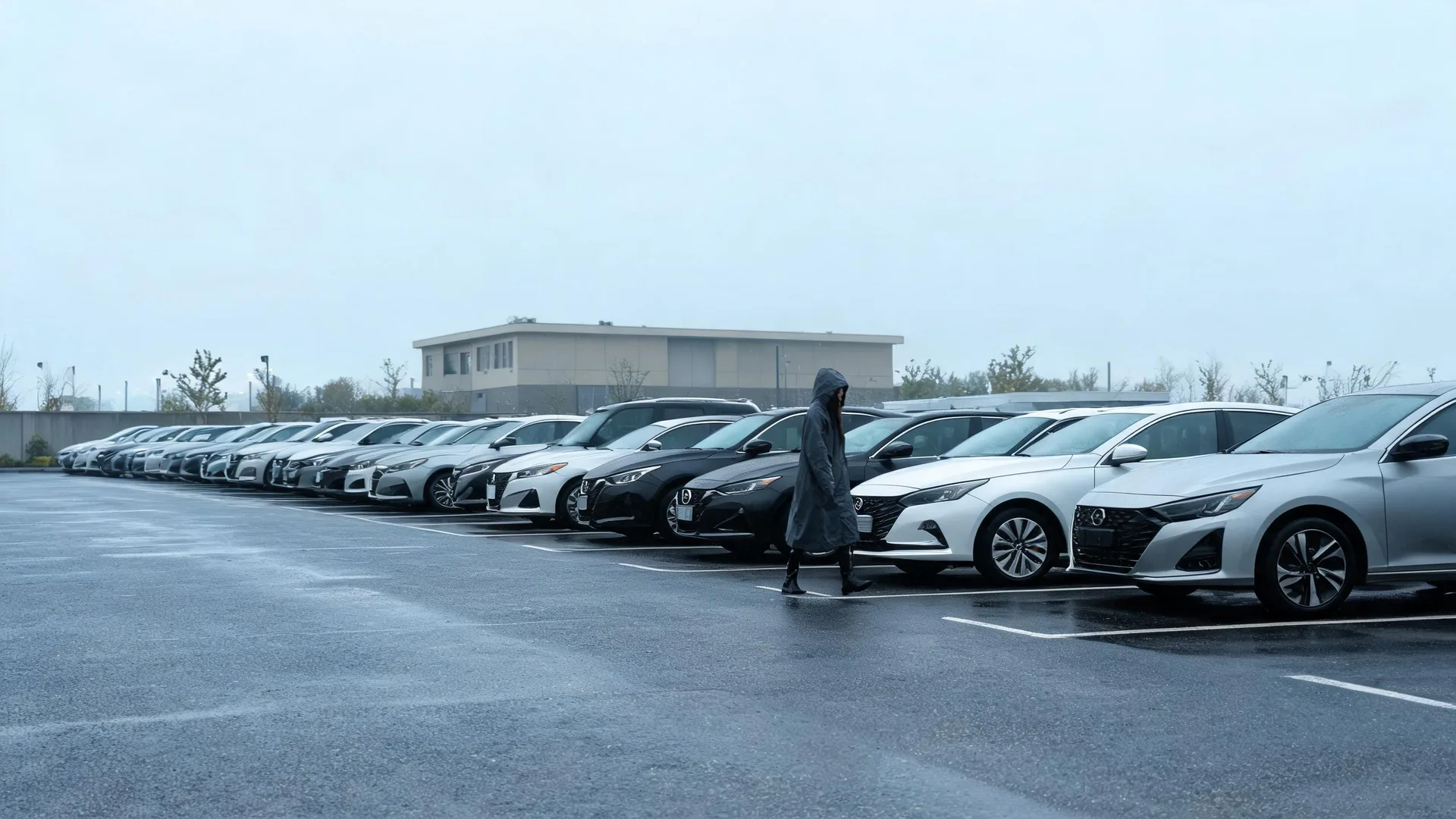
Go back to the store the same day if you can, and ask whether they have camera footage of the lot. Take your own photos of the car, the cart, and the surrounding area before anything is moved. Get a written incident report and the name of the manager you spoke with. If the store won't accept responsibility, get that in writing too. Then decide whether the repair cost is worth filing through your own collision coverage while you wait to hear back from the store's insurer.