Should Seniors Buy a Gas or Electric Golf Cart
The right choice comes down to how far you drive it, where you charge or fuel it, and how much maintenance you want to deal with.
Electric suits most seniors better, but not everyone
For most seniors, an electric golf cart is the easier choice. It starts with a key or a pedal, needs less hands-on maintenance, and doesn't require handling gasoline or dealing with engine noise and fumes.
Gas carts still make sense for some people. They have longer range, climb hills better, and refuel in minutes rather than hours. If you live somewhere with large hills, use the cart for long distances regularly, or don't have a place to plug one in overnight, gas may fit your situation better than electric does.
How you'll use it changes the answer
A cart used for short trips around a retirement community or a flat neighborhood is a different case than one used to cover a large property or hilly terrain daily. Electric carts have a limited range before they need recharging, and that range drops in cold weather or if the battery is older.
If you're mostly driving to a mailbox, a clubhouse, or a neighbor's house, an electric cart's range is rarely a problem. If you're using it for long errands, frequent round trips, or steep ground, you'll want to think about whether you can charge midway through the day or whether gas makes more sense.
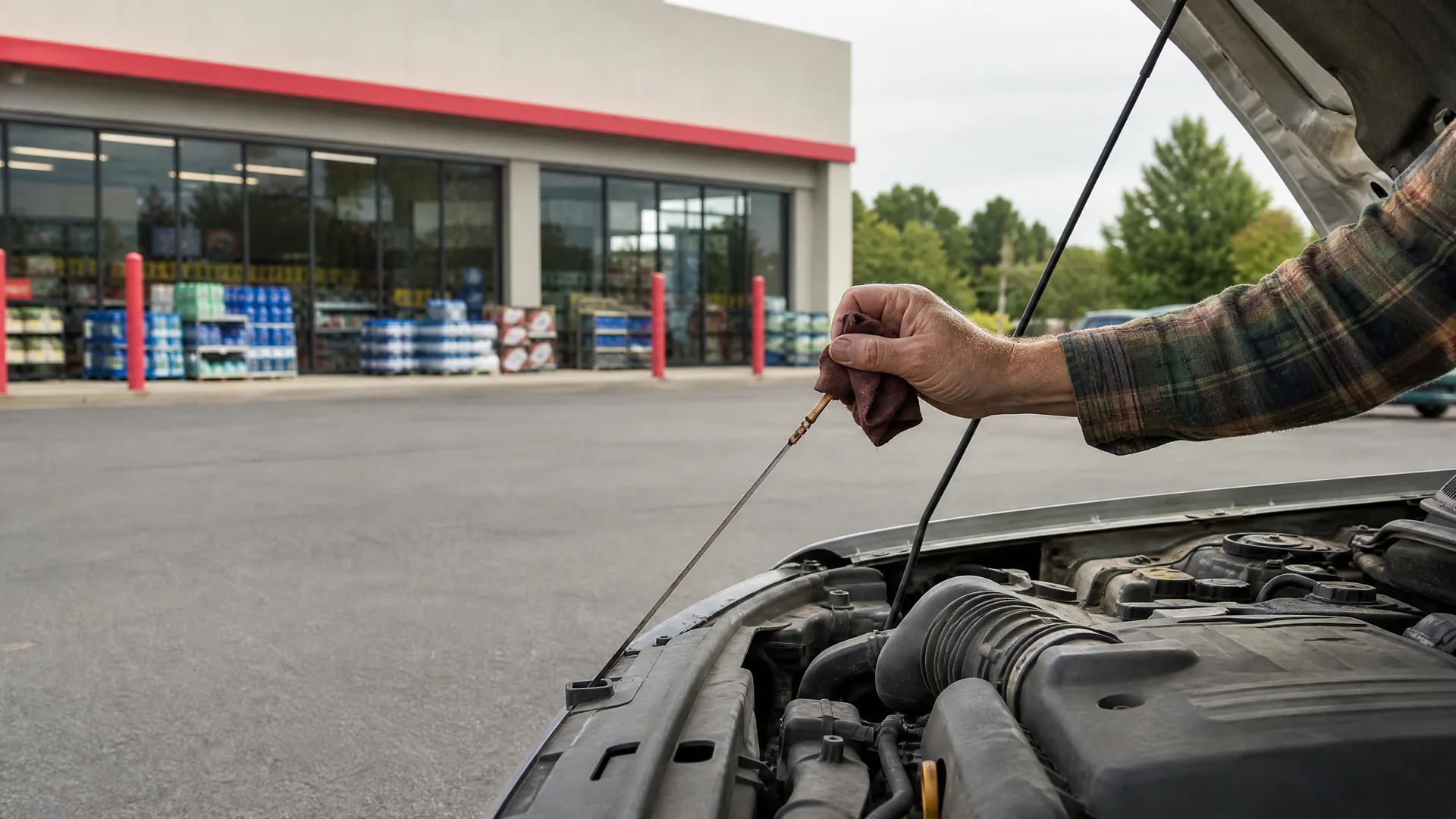
Maintenance matters here too. Electric carts have fewer moving parts, so there's less to go wrong and less for you to check. Gas carts need oil changes, air filter checks, and occasional engine work, which means either doing it yourself or finding someone who will.
If grip strength, balance, or mobility make engine maintenance difficult, that alone can tip the decision toward electric, regardless of how far you drive.
Where you'll charge or store it matters as much as the cart itself
Electric carts need a place to plug in, ideally somewhere covered and close to an outlet. If your garage or carport doesn't have power nearby, or if running an extension cord isn't practical, that's a real obstacle, not a minor one.
Gas carts avoid the charging question entirely, but they come with their own storage concerns. Gasoline needs to be stored safely, and the smell and mess of refueling are something you'll deal with every time the tank runs low.
Noise is worth thinking about too. Electric carts run quiet, which some seniors prefer, especially if they're driving early in the morning or through a quiet neighborhood. Gas carts are louder, and that's constant, not occasional.
If you're buying for a spouse or parent and they'll be the one maintaining it, ask them directly which trade-off they'd rather live with. The person doing the day-to-day upkeep should have the final say.
Questions people ask about this
Do seniors need a special license to drive a golf cart?
This depends on your state and sometimes your city or community. Some places allow golf carts on certain roads with no special license, while others require a standard driver's license or a specific permit. Check with your state's motor vehicle agency or the rules of the community where you'll be driving.
Does homeowners insurance cover a golf cart?
Sometimes, but not always, and the coverage can be limited even when it applies. Many homeowners policies offer only partial protection for a golf cart, especially if it's driven off your own property. Ask your insurer directly whether your cart would be covered and under what conditions.
Is a golf cart considered a vehicle for insurance purposes?
It depends on how it's used and where. A cart driven only on private property is treated differently than one driven on public roads, where it may need its own liability coverage. Ask your insurer how they classify golf carts and what's required for the way you plan to use yours.
How long do golf cart batteries last for electric carts?
Battery life depends on how often the cart is used, how it's charged, and how it's stored. Batteries that sit uncharged for long stretches or are exposed to extreme heat or cold tend to wear out faster. Ask the dealer about the specific battery type before you buy, since replacement costs and lifespan vary.
Can a golf cart be modified for someone with limited mobility?
Many carts can be fitted with hand controls, swivel seats, or other adaptations, but availability depends on the cart model and the company doing the modification. Ask the dealer or a mobility equipment specialist what's possible for the specific cart you're considering before you buy.
If you'll need insurance for the cart or the vehicle that tows it, it helps to see what coverage actually costs before you decide.
Before you buy, spend a weekend thinking through how you'll actually use the cart: the distances, the terrain, and where it will be charged or fueled. Ask your homeowners insurer how they'd cover the cart and whether driving it off your property changes anything. If you're choosing for someone else, ask them directly about noise, maintenance, and ease of use, since they're the one who'll live with the choice daily. Visit a dealer and ask to sit in both a gas and an electric model to compare the controls and the seat. If mobility is a concern, ask about adaptive features before narrowing your choice. Get a sense of local service and parts availability for each type, since that affects how easy the cart is to keep running for years.