Should Seniors Buy a New or Used Golf Cart
The better choice usually comes down to how the cart will be used and maintained, not whether it's new or used.
Either can be the right choice, depending on use
A new golf cart isn't automatically the safer or smarter buy for an older driver, and a used one isn't automatically the risky one. What matters more is what the cart will be used for, how it's been maintained, and whether it has the features that matter for the way it will be driven.
If the cart is mainly for getting around a retirement community or golf course at low speeds, a well-maintained used cart with good tires and working brakes can serve just as well as a new one. If the cart will be used on streets with other traffic, newer safety features like turn signals, headlights, and seatbelts start to matter more, and that can tip the decision toward buying new or buying a used cart that already has them installed.

How and where the cart will be driven
A cart used only on a private course or a gated community's paths doesn't need the same equipment as one that crosses or travels on public roads. Many states and local governments set specific equipment requirements, like lights, mirrors, and seatbelts, for carts driven on streets, even at low speeds. Check with the local DMV or town office before buying, because this rule varies by location.
If the cart needs to meet street-legal requirements, a used cart might need money spent on upgrades to pass, which can close the price gap with buying new. A new cart marketed as street legal usually already has what's required, but it's worth confirming the specific requirements still match what the dealer says is included.
For a cart that never leaves private property, age and physical condition matter less than reliability. A used cart from someone who kept it garaged and serviced can be a perfectly sound choice.
Physical ease of entry, visibility, and control
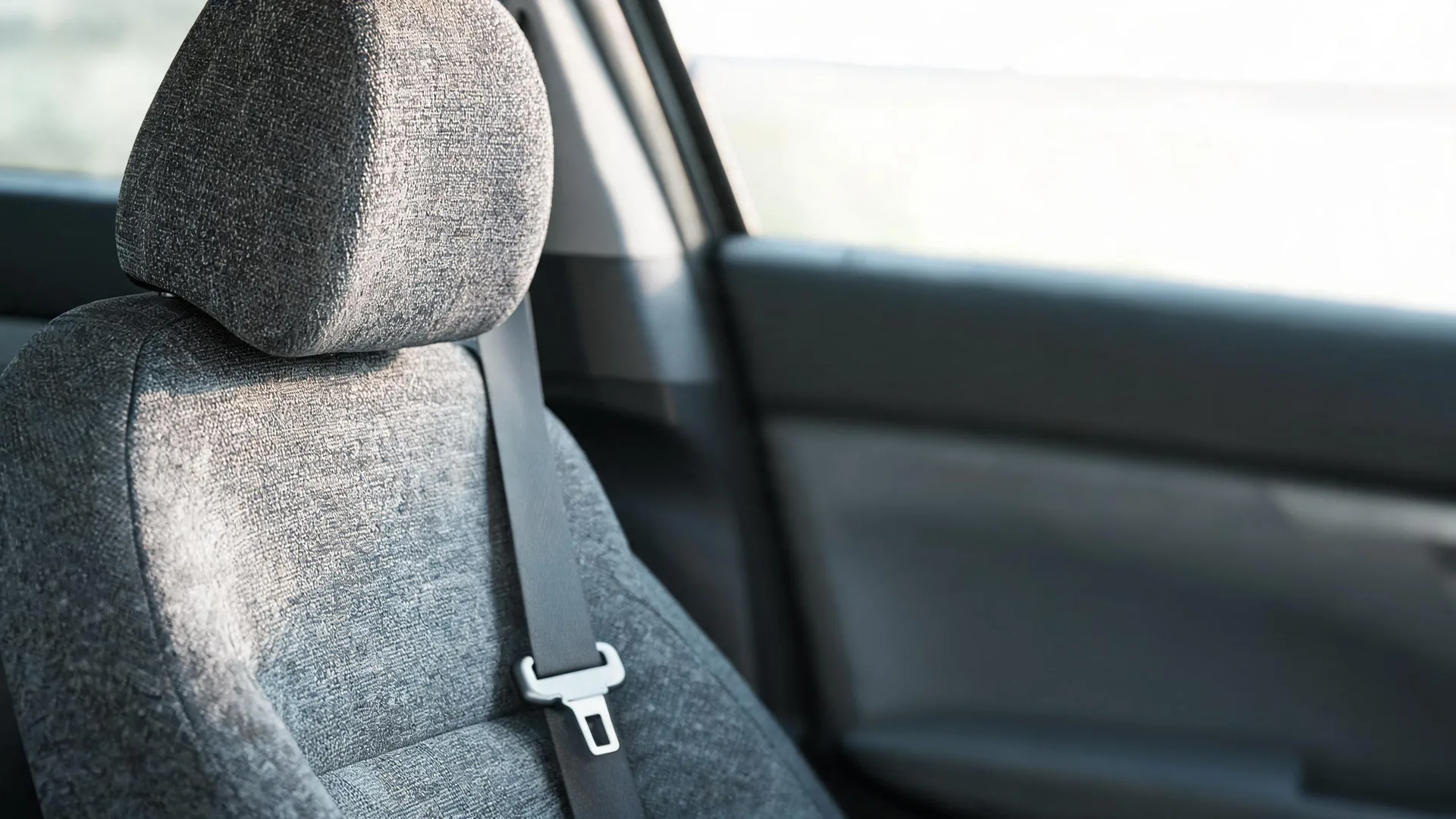
For an older driver, how easy the cart is to get in and out of, and how clearly the controls and gauges can be seen, matters as much as the cart's age. Newer carts often have wider seats, easier step heights, and clearer dashboard displays, which can make a real difference for someone with limited mobility or vision changes.
A used cart can be tested for these things just as easily as a new one can be inspected in a showroom. Sit in it, check the step height, try the pedals and steering, and see how the gauges read in daylight before deciding.
Braking distance and how the cart handles on slopes or uneven ground are also worth checking directly, especially if the local terrain isn't flat. This is true whether the cart is new or used, but worn brakes or tires are more likely on an older used cart and should be checked before purchase.
Questions people ask about this
Does homeowners insurance cover a golf cart?
It depends on the policy and the insurer, not on whether the cart is new or used. Some homeowners policies include limited coverage for a golf cart used on the owner's property, while others exclude it entirely or require a separate rider. Ask the insurer directly what's covered and whether using the cart off the property changes that.
Do I need a special insurance policy for a golf cart?
Many insurers offer a specific golf cart policy separate from auto or homeowners coverage, and whether it's required depends on where and how the cart is driven. If the cart will be used on public roads, check with the insurer about liability coverage specifically, since standard homeowners coverage often doesn't include that use.
Is a gas or electric golf cart better for an older driver?
This depends more on maintenance needs and how the cart will be used than on the driver's age. Electric carts generally need less routine upkeep like oil changes, while gas carts can offer longer range between refueling. Either can be the right fit depending on how often and how far the cart will be driven.
What should I check before buying a used golf cart?
Start with the batteries or engine, since those are usually the most expensive parts to replace. Ask for maintenance records, test the brakes and steering, and check the tires for wear. If the cart will be driven on public roads, confirm it has the equipment the state or town requires for that.
Will my regular driver's license cover driving a golf cart?
This depends on state and local rules, which vary on whether a driver's license, a special permit, or no license at all is required for golf carts, and some places set rules differently for private property versus public roads. Check with the local DMV or town office for the specific rule where the cart will be driven.
See what it would cost to insure the cart you're actually considering before you decide between new and used.
Before buying, call the town office or local DMV to ask what equipment is required if the cart will ever be driven on a public street, even briefly. If buying used, ask the seller for maintenance records and test the brakes, steering, and battery or engine yourself rather than relying on a description. Sit in the cart to check the step height and dashboard visibility, since these matter more for comfort and safety than the cart's age. Then call an insurer or agent to ask whether the cart needs its own policy or can be added to an existing homeowners or auto policy, since this depends on the insurer and how the cart will be used.